A CIF grain contract, shipment period: July. The vessel is brought alongside on 30 July, loading runs all night, and the final tonnes drop on board at 01:30 on 1 August. The master signs the bill of lading and dates it “31 July”. Formally everything looks clean: the B/L is dated the last day of the shipment period. But the loading was actually finished in August. The question is simple and uncomfortable at the same…
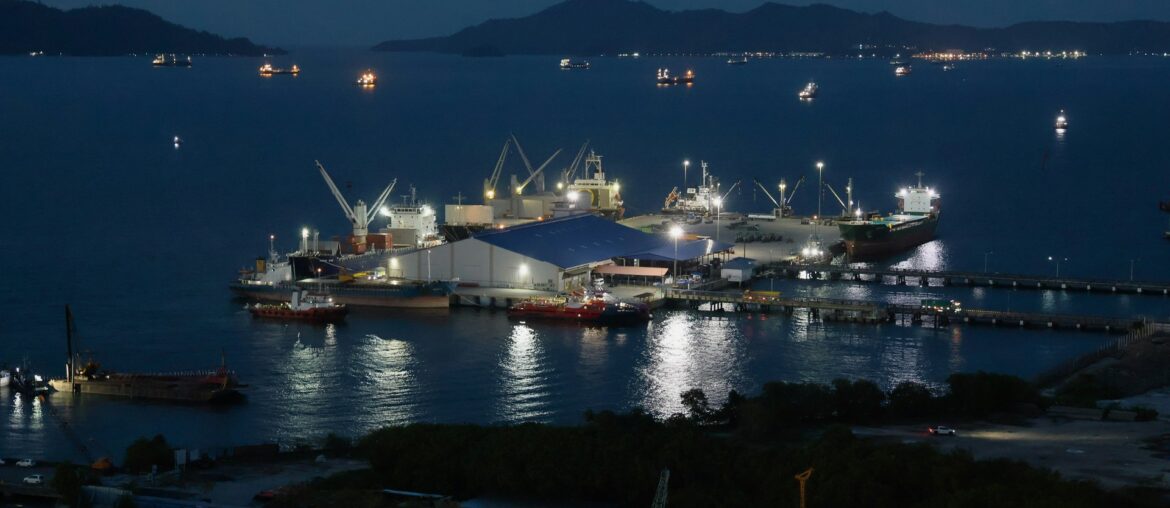
When a vessel is delayed through the charterer’s fault, but the charter contains no demurrage provision or the demurrage period has already expired, the owner can claim damages for detention. The two concepts are often confused, yet they have a fundamentally different legal nature, are calculated differently, and carry different consequences for both sides. What detention is Detention is the owner’s claim for unliquidated damages caused by the charterer’s breach of contract. Unlike demurrage, whose…
Laycan determines when a voyage truly begins. A vessel arriving too early waits idle; a vessel arriving too late risks losing the charter entirely. This article deconstructs laycan as a contractual mechanism — from its structure to its practical consequences for both shipowner and charterer. What Laycan Means Laycan is shorthand for “laydays/cancelling” — a date window in a voyage charterparty comprising two distinct elements: Laydays (the first date) — the earliest day on which…
The cancelling clause gives the charterer the right to walk away from the charter if the vessel is not ready to load on time. But this right is not as straightforward as it appears: its nature, boundaries, and the consequences of wrongful cancellation produce some of the sharpest disputes in shipping law. This article examines the cancelling clause as a mechanism — from the structure of laycan to the practice of English courts. For laycan…
What is a demurrage time bar Charterparties almost invariably contain a time bar clause — a strict deadline within which the shipowner must present its demurrage claim. Missing this deadline results in the total loss of the right to recover, even if the claim is well-founded and fully documented. Courts and arbitrators apply these clauses strictly, without exception. A typical clause reads: Demurrage, if any, shall be paid by Charterers upon receipt of Owner’s invoice,…