A CIF grain contract, shipment period: July. The vessel is brought alongside on 30 July, loading runs all night, and the final tonnes drop on board at 01:30 on 1 August. The master signs the bill of lading and dates it “31 July”. Formally everything looks clean: the B/L is dated the last day of the shipment period. But the loading was actually finished in August. The question is simple and uncomfortable at the same…
Legal costs in GAFTA and FOSFA arbitration are recoverable from the losing party, subject to certain conditions. The recovery regime in both forums departs from the English default of “costs follow the event” and operates differently in each: in GAFTA, each party bears its own legal costs as a rule, and recovery is only possible where the parties have entered into an express written agreement; in FOSFA there is no such prohibition, and legal costs…
The new edition of the FOSFA Rules of Arbitration and Appeal came into force on 1 April 2026. The amendments are few in number but touch the way parties and arbitrators actually conduct proceedings: email is now the prescribed method for submitting documents, English is mandatory for all submissions and oral evidence, renewal of a lapsed claim is limited to one occasion, and the exchange of written positions on appeal has been made more symmetrical.…
In an FOB contract on FOSFA or GAFTA forms, vessel nomination is not a formality but a key buyer’s obligation, the breach of which under English law can cost the contract. If the notice is given even one day late, the seller may be entitled to refuse to load and claim damages. But not every defect in a nomination is the same: courts distinguish situations where the breach genuinely gives a right to terminate from…
Default Clause in FOSFA contracts is a contractual damages mechanism triggered when one party commits a material breach. When a seller fails to ship oil or a buyer fails to provide a vessel, the aggrieved party may invoke Default Clause and recover damages calculated under a fixed formula embedded in the contract itself. FOSFA International (Federation of Oils, Seeds and Fats Associations) publishes standard form contracts for bulk oils and fats trading. The principal forms…
When a contracting party breaches a contract, the injured party is entitled to compensation for damages. But English law does not permit the injured party to simply sit back and watch losses mount. It requires the injured party to take reasonable steps to mitigate its losses — this is the principle of mitigation of damages. For a trader facing non-performance of a GAFTA or FOSFA contract, understanding mitigation is a practical matter: what steps should…
FOSFA (The Federation of Oils, Seeds and Fats Associations) has updated its Arbitration and Appeal Rules. The new version, effective from 1 April 2025, introduces significant amendments to arbitration procedures, which will directly affect all participants in the agri-trade sector. How do the new rules differ from those in force since 1 April 2024, and why does it matter for your business? 1. FOSFA Jurisdiction: Express Ban on Jurisdictional Appeals Position in 2024: The previous…
Instalment deliveries are used in Gafta and FOSFA contracts to provide flexibility in logistics and risk management. However, misunderstandings regarding the terms of instalment deliveries can lead to financial losses and lengthy arbitration disputes. I am a co-author of a Gafta course on instalment deliveries, and in this article, I will outline the fundamentals that help determine when instalment deliveries are permitted and when they may lead to contract termination and claims for damages. In…
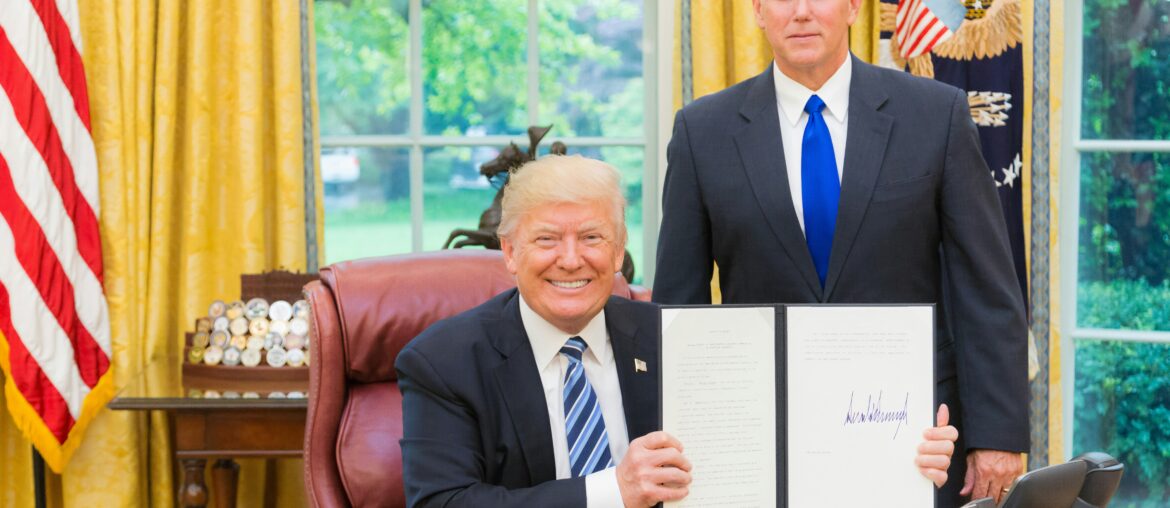
On 1 February 2025, Donald Trump announced the imposition of tariffs on imports from Canada, Mexico, and China. According to the White House statement, tariffs of 25% were imposed on goods from Canada and Mexico, while Chinese imports were subject to a 10% tariff. An exception was made for energy resources from Canada, which were subject to a 10% tariff. These measures were introduced under the International Emergency Economic Powers Act (IEEPA) and had a…
In November, I spoke at a training course on commodity contracts in Cape Town, organised by Gafta. This course is part of the Gafta Professional Development (GPD) programme. For many professionals, successfully completing the course is an important step in their careers, especially if they aim to obtain the Gafta Trade Diploma and become Gafta arbitrators. This was the first Gafta training course held in South Africa. The seminar brought together traders, lawyers, and other…